

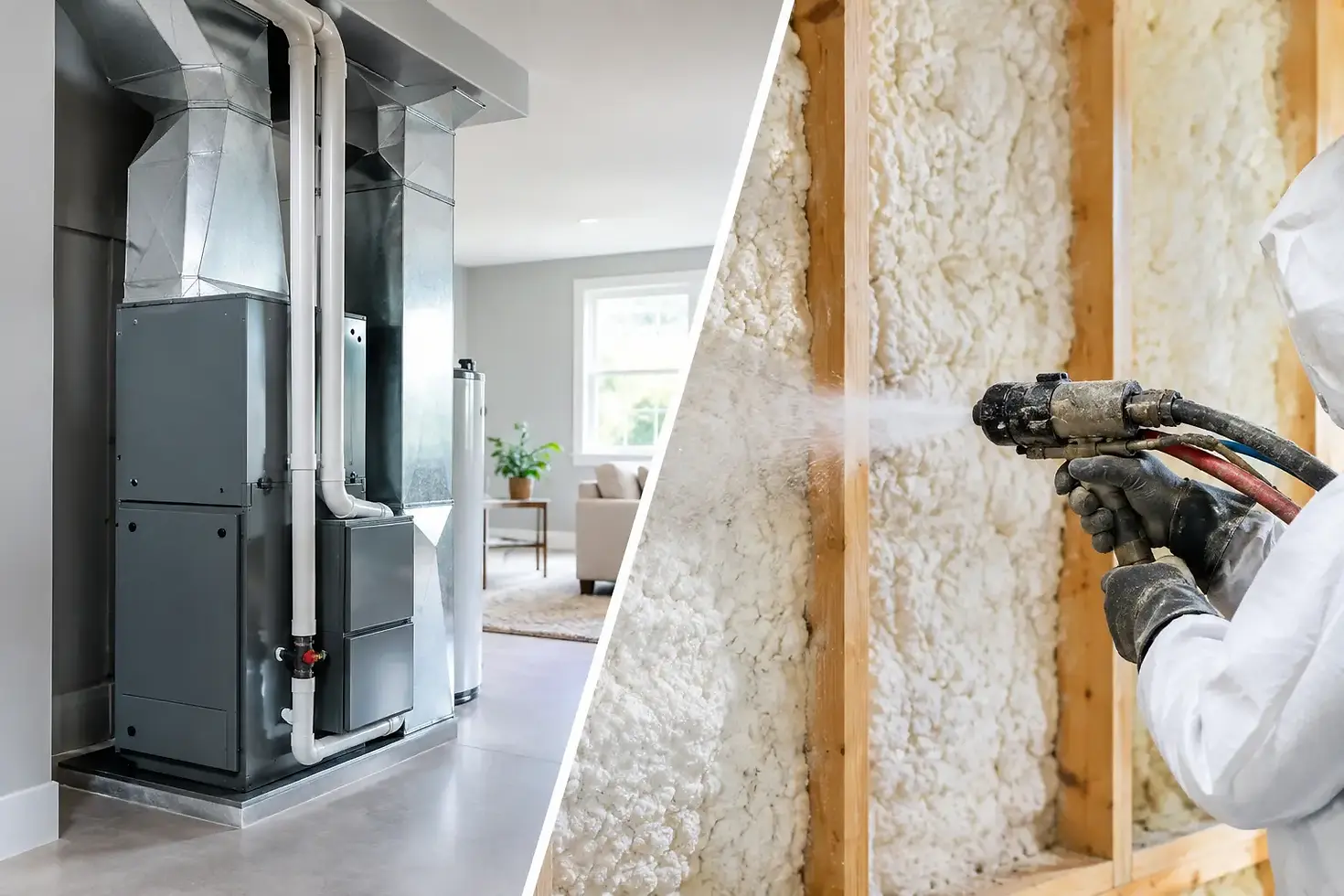
Whole Property Heating Versus Spraying Compared

A bed bug infestation rarely stays where it was first noticed. Finding bites in one bedroom does not mean the problem is limited to one mattress. Bed bugs move through furniture, skirting gaps, electrical points, luggage, laundry and neighbouring rooms. That is why the decision between whole property heating versus spraying is not simply about treatment preference. It is about whether the method can reach the infestation as it exists in the real property.
For a landlord managing a shared house, a hotel protecting its reputation, or a homeowner who has already tried sprays without success, certainty matters. Heat and insecticide spraying work in very different ways, have different preparation requirements and produce different results. The right choice depends on the pest, the scale of activity, the building and the level of control required.
Whole Property Heating Versus Spraying: The Core Difference
Whole-property heat treatment raises the temperature of infested rooms, or the entire property where required, to a lethal level for sustained periods. Professional equipment circulates heated air while technicians monitor temperatures throughout the treatment area. The aim is not to make a room briefly hot. It is to ensure lethal temperatures reach the places insects actually hide, including the internal structure of beds, sofas, drawers, wardrobes, carpet edges and cracks around fixtures.
Spraying relies on insecticides being applied to likely harbourage areas. Depending on the product, the treatment may kill insects on contact and leave a residual deposit intended to affect insects that cross treated surfaces later. This can be useful in some pest control programmes, but it depends heavily on precise application, the pest’s behaviour and its susceptibility to the active ingredient.
The critical difference is reach. Heat moves into areas that are difficult to coat with insecticide safely or effectively. Properly managed whole-property heating treats live bed bugs and eggs at the same time. Spraying may leave eggs unaffected, meaning follow-up visits are often needed as newly hatched nymphs emerge.
Why Bed Bugs Are Difficult to Treat With Spray Alone
Bed bugs are not usually exposed in open areas. They shelter in narrow spaces close to where people rest: bed frames, headboards, divan bases, bedside furniture, sofas, curtain folds and wall voids. In a larger infestation, they can spread far beyond the original room.
A spray treatment must reach the hiding place and leave an effective dose where the insect travels. That is difficult when bugs are deep inside furniture, behind fixed skirting, within electrical fittings or in the structure of a divan. Over-application is not the answer. Insecticides must be used safely and according to the label, particularly in bedrooms, nurseries, hospitality settings and homes with pets.
Resistance is another serious issue. Bed bugs have developed resistance to several commonly used insecticides. A product may appear to reduce activity at first, only for the infestation to continue weeks later. This can create the false impression that the pests have gone, when they have simply moved, avoided treated areas or survived exposure.
Spray-only programmes can also be disrupted by everyday life. Cleaning, vacuuming, moving furniture and laundering may remove or reduce residual deposits. In a block of flats, bugs can reappear through migration from an untreated adjoining space. A professional inspection must consider these risks before deciding on any method.
How Professional Heat Treatment Achieves Control
Heat is a physical treatment, not a chemical barrier. Bed bugs cannot develop resistance to sustained lethal temperatures. However, this does not mean a heat treatment should be approached casually with domestic heaters or rented equipment. Uncontrolled heating can leave cool refuge areas, damage belongings or create unnecessary safety risks.
A specialist heat treatment begins with planning. Technicians assess the layout, the level of infestation, room contents, access points and materials that need protecting or removing. Industrial heat machines are then positioned to create controlled airflow through the treatment space.
WiFi-monitored sensors are placed in multiple locations, including known cold spots and difficult harbourage areas. Temperatures are watched remotely throughout the process. Thermal imaging can identify areas that are not warming evenly, allowing technicians to adjust equipment, airflow and room layout. We do not guess, we monitor.
The treatment area is held at the required temperature for a sustained period, rather than relying on a single ambient reading. Handheld high-temperature equipment can then be used on migration zones and stubborn areas such as bed frames, upholstered furniture, seams, voids and perimeter details. This level of control is what separates a professional heat eradication process from simply making a room hot.
For bed bugs, the practical advantage is speed. A correctly planned heat treatment can provide full eradication in a single visit, targeting adults, nymphs and eggs without filling the home or business with insecticide residue. At Extreme Heat Treatments UK, this precision-led process is backed by a 100% guarantee.
When Whole-Property Heating Makes Sense
Whole-property heating is particularly valuable where there is evidence that bed bugs have spread between rooms. A person may have started sleeping in the spare room, moved belongings after discovering bites, or carried insects in laundry and bags. In hotels and hostels, frequent room turnover and luggage movement can increase the risk of spread into adjoining spaces.
It is also a strong option when an infestation has persisted after previous chemical treatments. Repeated spraying can become frustrating, disruptive and expensive, especially if residents must prepare for multiple visits and wait for residual products to work. Heat offers a defined treatment event with measurable conditions and a clear outcome.
Sensitive environments are another consideration. Families may not want insecticides applied near beds, baby nurseries or soft furnishings. Hospitality operators may need rooms returned to service quickly and discreetly. Heat can achieve this without relying on chemical residues, provided the property is prepared correctly and the treatment is carried out by trained specialists.
That said, whole-property heating is not automatically necessary for every call-out. A small, verified moth infestation in a limited textile storage area may require a more targeted approach. The treatment boundary should follow the inspection evidence, not a standard package. Heating an entire building when activity is confined and fully understood may be unnecessary; treating only one room when bugs have already spread is equally poor practice.
Where Spraying Still Has a Place
Spraying is not inherently ineffective. It can be appropriate for certain insect pests, low-level localised activity, or as part of an integrated programme where a residual treatment is justified. In some buildings, access, construction or operational constraints may mean heat is not the practical first option.
The important question is whether spray alone can realistically reach the pest and break its life cycle. For established bed bug infestations, particularly where eggs, resistance or multi-room spread are suspected, the answer is often no. A technician should be able to explain what is being treated, why it is being treated and what limitations remain.
Property managers should also consider the cost of delay. A lower initial price can become the more expensive choice when treatments are repeated, complaints continue and rooms remain unavailable. The comparison should be based on the likelihood of complete eradication, not simply the price of the first visit.
Preparation Determines the Result
Heat treatment is highly effective, but it requires cooperation. Occupants must follow the preparation instructions supplied for their property. This may include removing heat-sensitive items, isolating medicines and aerosols, allowing access to furniture, and avoiding the movement of potentially infested belongings into untreated rooms.
Good preparation does not mean stripping a property bare or throwing away furniture. In fact, disposing of beds and sofas without a treatment plan can spread bed bugs through communal areas, lifts, corridors or refuse handling. The objective is controlled eradication, not panic.
After treatment, normal housekeeping and sensible monitoring help protect the result. In multi-occupancy premises, adjacent rooms or flats may need inspection where migration is plausible. A quality provider will discuss this openly rather than treating one visible symptom and ignoring the wider risk.
Choose Measurable Control, Not Hope
The most useful question is not whether heat is better than spray in every situation. It is whether the proposed treatment has a credible route to every life stage and every likely harbourage in your property.
If bed bugs have become a recurring problem, ask how temperatures or insecticide coverage will be verified, how cold spots will be addressed, and what happens if activity is found outside the first room. The right treatment should leave you with evidence of control and the confidence to use your home, flat or business normally again.


Comments