

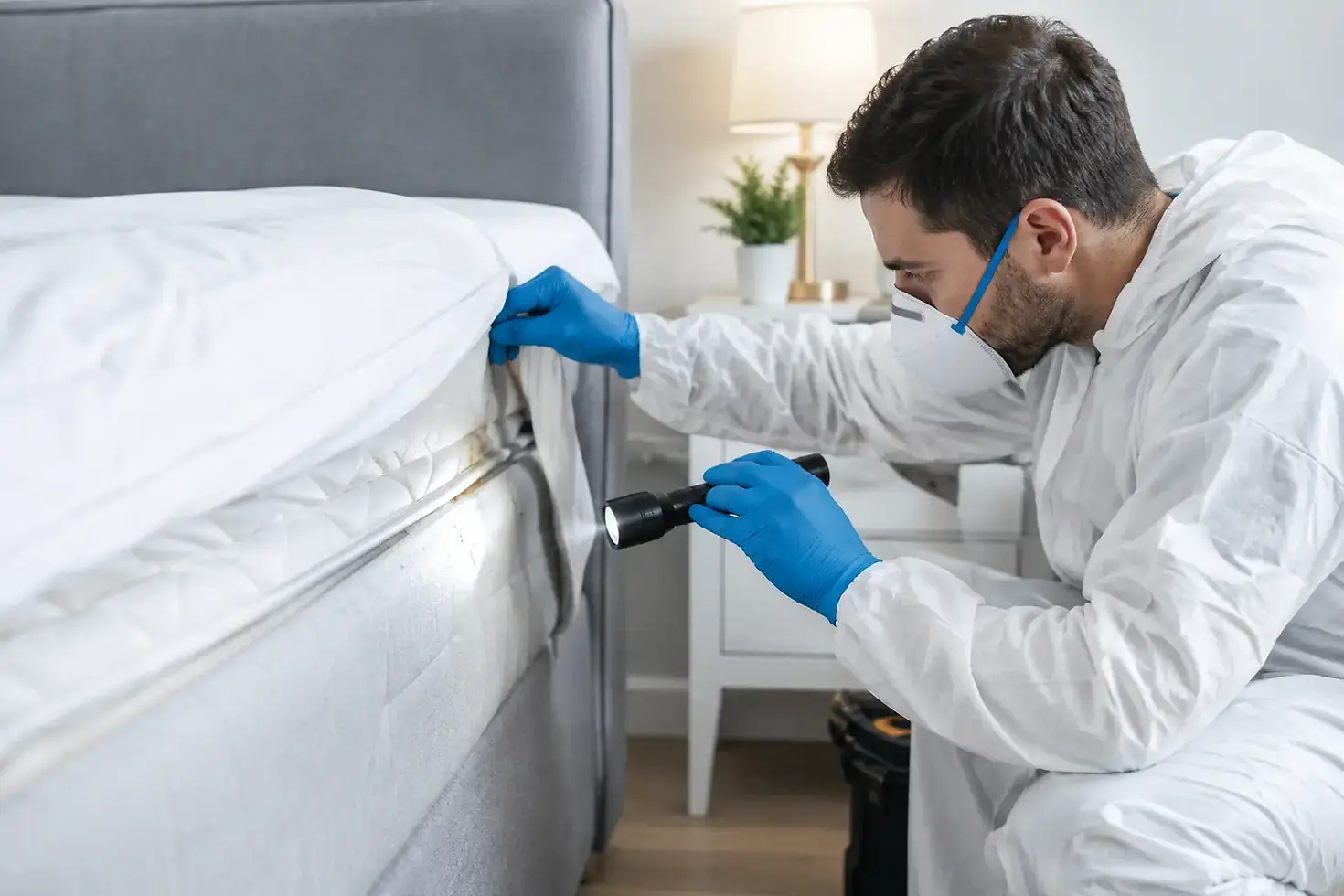
Bed Bug Heat Treatment in Oxfordshire Explained

A bed bug infestation rarely stays confined to the first place you see it. The insect found on a mattress seam may be one of many hiding in the bed frame, skirting boards, bedside furniture, curtain folds or neighbouring rooms. Bed bug heat treatment in Oxfordshire is designed to deal with that reality by treating the whole affected space at lethal temperatures, rather than relying on insects crossing a line of insecticide.
For homeowners, landlords and hospitality operators, the priority is not simply reducing activity for a few days. It is ending the infestation, including the eggs that can cause a problem to return weeks later. Professional heat treatment provides a chemical-free route to that result when it is planned, monitored and carried out with the right equipment.
Why bed bugs are difficult to clear with sprays alone
Bed bugs are expert hitchhikers and equally capable of hiding. They can disappear into narrow cracks around a headboard, inside divan bases, beneath flooring edges and behind electrical fittings. They often move away from a disturbed bed, especially after unsuccessful treatments, which can make an infestation appear smaller than it is.
Conventional insecticide programmes may require several visits because eggs can survive an initial application and hatch later. There is also the issue of resistance. Some bed bug populations have developed resistance to commonly used chemicals, meaning a treatment that once delivered predictable results may no longer be enough on its own.
Heat works differently. When sustained lethal temperatures reach the insects and their harbourages, heat kills active bed bugs, immature stages and eggs. It does not depend on a bug feeding, travelling across a treated surface or being susceptible to a particular active ingredient.
That does not mean every heat treatment is automatically effective. Temperature, duration, air movement and coverage all matter. Heating a room generally is not the same as proving that every likely harbourage has reached a lethal temperature for long enough. This is why specialist equipment and monitoring are central to a proper treatment.
How bed bug heat treatment in Oxfordshire works
A professional treatment begins with an assessment of the property and the extent of activity. In a flat, this may mean considering adjoining walls and potential movement between rooms. In a hotel, hostel or managed property, it can mean inspecting nearby rooms and identifying the operational measures needed to protect guests and prevent spread.
The room or affected area is prepared to allow heat to circulate. Industrial heat machines are then positioned to raise the temperature in a controlled way. High-powered fans move heated air through the space, helping it reach furniture, bed structures, soft furnishings and the gaps where bed bugs hide.
Sensors are placed throughout the treatment area and monitored remotely via WiFi. This is not a box-ticking exercise. The readings show whether the required temperatures are being achieved across the room, and whether any locations are warming too slowly. We do not guess, we monitor.
Cold spots need active attention
Dense furniture, external walls, cluttered storage and enclosed voids can all create cold spots. These are the areas most likely to compromise a poorly managed heat treatment. Thermal imaging helps identify uneven heat distribution, while technicians can adjust equipment, airflow and sensor positions during the process.
Handheld high-temperature equipment is used where appropriate to target migration zones and difficult structures, including bed frames, upholstery seams, cracks and junctions where insects may shelter. This is particularly valuable where an infestation has spread beyond the immediate sleeping area.
The treatment continues for a sustained period once the target temperatures have been reached. That holding period is what gives heat its killing power. Rushing the process, or measuring temperature in only one easy-to-heat location, leaves too much to chance.
What needs to happen before treatment
Preparation is practical, but it matters. Residents are usually asked to reduce clutter, remove heat-sensitive possessions where advised and make beds, furniture edges and floor areas accessible. Laundry may need to be bagged and treated according to the technician's instructions, particularly where bedding or clothing has been exposed.
There is a balance to strike. Throwing possessions away or moving items around the home without a plan can spread bed bugs into new areas. Equally, leaving rooms heavily congested limits airflow and makes effective heat distribution harder. A clear preparation plan gives occupants confidence about what to do, what not to move and how to protect belongings.
Some items require individual consideration. Candles, aerosols, certain cosmetics, delicate plants, medicines, heat-sensitive electronics and pressurised containers may need to be removed. The property type also affects planning. A compact bedsit is very different from a large house, a listed building or an occupied hotel floor.
Is one visit enough?
A properly delivered whole-room heat treatment is designed as a single-visit eradication service, with lethal heat reaching both bed bugs and their eggs. That is its principal advantage over repeated chemical programmes. It can offer a fast, discreet resolution without coating bedrooms, nurseries or guest spaces in insecticide.
However, the right scope depends on the evidence. If activity is present in several rooms, if bed bugs may be entering from an adjoining flat, or if occupants continue bringing untreated items into the property, the plan must address those risks. No reputable specialist should promise a simple one-room solution before understanding where the infestation has travelled.
The guarantee also depends on following the preparation and post-treatment guidance given for the site. In rental properties and multi-occupancy buildings, communication is vital. A treatment can eradicate the infestation within the treated area, but it cannot control an untreated source next door.
When heat treatment is the right choice
Heat is especially suited to people who need a decisive response. This includes families worried about bedrooms and baby nurseries, landlords facing a tenancy issue, and hospitality businesses where recurring complaints can quickly damage reputation. Because the process is chemical-free, it is also a strong option where reducing pesticide use is a priority.
It is not always the cheapest first quotation, and that comparison can be misleading. A low initial price for repeated spray visits can become expensive when the infestation persists, spreads to more rooms or disrupts bookings and tenancies. The meaningful comparison is the full cost of resolution, disruption and risk of recurrence.
For a commercial property, timing can be just as important as price. Treatment planning can be arranged around access requirements and operational pressures, with attention given to affected rooms, neighbouring spaces and safe reoccupation. For private homes, the focus is usually on restoring a clean, usable bedroom as quickly as possible.
What professional monitoring changes
The difference between applying heat and controlling heat is significant. Bed bugs are killed by sufficient temperature exposure, not by the presence of a heater in the room. A specialist service must know what is happening at multiple points throughout the treatment, especially in the locations bed bugs favour.
At Extreme Heat Treatments UK, the process combines industrial heaters, airflow management, WiFi-monitored sensors, thermal imaging and targeted handheld heat. It is precision-led work: locate the risk, achieve the required conditions, identify cold spots and maintain those conditions long enough to eradicate the infestation. The result is a 100% guaranteed treatment designed around proof, not assumption.
If you have bites, spotting on bedding, shed skins or live insects, avoid moving furniture or sleeping in another room without advice. Containment and early action give a treatment the best chance of staying focused. A professional inspection and clear treatment plan can turn an unsettling discovery into a controlled, permanent resolution.


Comments